Wash Trading Crypto Games: How to Tell If a Player Count Is Real
 4 min read
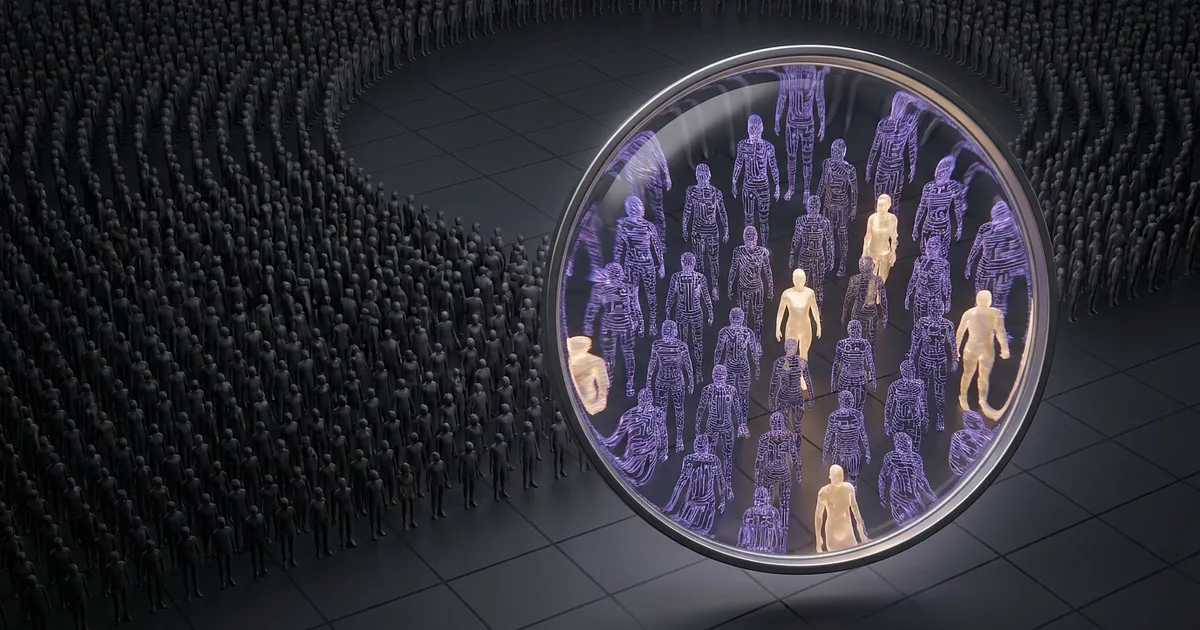
A "daily players" banner on a crypto game's homepage means close to nothing by itself. Anyone who's watched wash trading crypto markets knows why: a few wallets trading with themselves can make an asset look mobbed, and a game's player count is built from the same raw material. Wallet activity.
(Not the IRS "wash sale" tax rule, by the way. Search results mash those two together constantly and it drives me a little nuts.)
So before you ape in, give the number five minutes.
Is a big wallet count the same as a big player base?
No. Trackers count wallets, and wallets aren't people. DappRadar's explainer on unique active wallets says the metric tracks wallets interacting with a game's contracts, and nothing stops one person from running several. Bots run far more.
Read every "players" figure as "wallets" until something proves otherwise.
What does the 5-minute player-count sniff test look like?
Four checks, one browser tab. No single one convicts a game, but two failures would make me nervous.
- Bot labels. DappRadar tags wallets as human, bot or mixed based on how they behave, so a bot-heavy game probably shows up there before anyone on the team admits it.
- Wallet age. Click through a dozen recent wallets on the game's main contract in a block explorer. Brand-new addresses all funded from one source and repeating the same action on loop? That's a farm, not a fanbase.
- Volume loops. Does item or token volume keep circling the same few wallets? Classic wash-trading crypto move. A Chainalysis investigation published February 2, 2022 found 110 addresses that made $8.9 million in profit selling NFTs to wallets they'd funded themselves. The playbook is identical with an in-game sword instead of an NFT.
- Vibe check. Honestly underrated. A huge claimed player base next to a silent Discord? I think the Discord is the one telling the truth, and our 5 Discord red flags that predict a web3 game won't last covers the full list. Same goes for a leaderboard that's shown the same handful of names for weeks.
Does a game that tolerates bots have honest numbers?
Honest, maybe. Human, no.
Splinterlands is the case everyone in this corner of crypto knows. Per a community write-up on Splintertalk, the Splinterlands team has said publicly that bot use is allowed and won't get an account banned, and it answered bot farming by reworking the reward economy instead. To be fair, that's more transparent than most projects manage, and it isn't wash trading crypto-style fraud. It does mean a slice of any Splinterlands activity figure is bots by design. Our earlier post on whether the Splinterlands ranked ladder is still fair in 2026 digs into what that does to competitive play.
Passed all four? Nice. The tokenomics are still worth a read, since a real player base and a rug can live in the same project. Our rug-pull red flags checklist picks up where this one stops.
Frequently Asked Questions
What is wash trading in a crypto game?
Same trick as on an exchange, applied to a game: wash trading crypto activity is a small group of linked wallets trading items or tokens back and forth so activity looks bigger than it is, inflating volume and "active" stats at once. It has nothing to do with the IRS wash-sale tax rule.
Is unique active wallets the same as player count?
No. The metric counts addresses interacting with a game's contracts. One person can run several wallets and a bot script can run far more, so the figure is a ceiling on real players, never a headcount.
What free tools can check a crypto game's on-chain activity?
A public tracker like DappRadar, which labels wallets as human, bot or mixed, plus the block explorer for whatever chain the game runs on. Together they show wallet age, funding sources and whether items keep circling the same addresses.